October has arrived, and as the leaves begin to turn across Canada, a familiar migration is about to begin. For thousands of Canadians, the crisp autumn air is the ultimate signal to start winterizing their homes, packing up the RV, and preparing for a sun-soaked winter down south. Snowbird season is officially upon us.\n\nModern snowbirds are redefining what it means to spend the winter in the United States. Gone are the days of simply lounging by the pool for six months. Today's winter travellers are incredibly active, filling their days with outdoor adventures. Whether you are taking up mountain biking in the Arizona desert, hiking the rugged trails of Utah, or simply enjoying daily power walks along the Florida coast, staying active is a massive part of the snowbird lifestyle.\n\nBut with an active lifestyle comes a natural degree of risk. A sudden slip on a hiking trail, an unexpected bout of illness, or a flare-up of a medical condition can happen to anyone. When you are spending months away from home, it is crucial to understand exactly what happens if you experience a medical emergency while snowbirding in the US.\n\n## The Reality of the US Healthcare System\n\nThe United States boasts some of the most advanced medical facilities in the world, but that world-class care comes with a significant price tag. The US healthcare system is entirely private, and medical costs are notoriously high.\n\nMany Canadians mistakenly believe that their provincial healthcare plans—whether that is MSP in British Columbia, OHIP in Ontario, or AHCIP in Alberta—will cover them while they are away. In reality, provincial health plans provide only a tiny fraction of coverage for out-of-country medical expenses, often covering less than ten percent of the total bill.\n\nTo put things into perspective with an illustrative example: a simple trip to the emergency room for a twisted ankle or a minor infection can easily cost thousands of dollars. If you require an ambulance, surgery, or an extended stay in the intensive care unit, those bills can quickly skyrocket into the tens or even hundreds of thousands of dollars. Without the right protection, a single medical emergency can severely impact your retirement savings.\n\n## Step-by-Step: What Happens During a Medical Emergency?\n\nIf the unexpected happens while you are enjoying your winter getaway, knowing the exact steps to take can save you time, money, and a tremendous amount of stress. Here is what typically happens during a medical emergency in the US.\n\n### 1. Seeking Immediate Help and Making the Call\n\nIn a life-threatening situation, your first step is always to call 911 and get to the nearest hospital. However, as soon as it is medically safe to do so—or before you head to a clinic for a non-life-threatening issue—you or a family member must call your travel insurance provider's 24/7 emergency assistance team.\n\nThis phone call is arguably the most important step. The assistance team will open a case for you, direct you to the nearest preferred medical facility, and begin coordinating your care. They act as your advocate, speaking directly with the hospital staff to ensure you receive the appropriate treatment.\n\n### 2. Navigating Hospital Admissions and Billing\n\nWhen you arrive at a US hospital, the administration will immediately ask for proof of insurance or a guarantee of payment. If you do not have adequate coverage, you may be asked to provide a massive upfront deposit before receiving anything beyond basic stabilizing care.\n\nWhen you have contacted your assistance team, they will work to set up direct billing with the hospital. This means the hospital sends the invoices directly to your insurance provider, saving you from having to drain your bank accounts to pay out-of-pocket and wait months for reimbursement.\n\n### 3. Treatment and Potential Medical Evacuation\n\nAs you receive treatment, your assistance team's medical professionals will stay in constant contact with the attending US doctors. They monitor your progress to ensure the care you are receiving is appropriate and necessary.\n\nIn severe cases, you may require a medical evacuation. If the local hospital cannot provide the specialized care you need, or if you are stable enough to travel but require ongoing hospitalization, your provider may arrange to transport you back to Canada. Medical evacuations often involve specialized air ambulances with onboard medical teams—a service that is incredibly expensive to arrange on your own, but typically coordinated and covered by comprehensive travel insurance.\n\n## Your October Pre-Departure Checklist\n\nBefore you cross the border this fall, taking a little time to prepare can make all the difference. Here is a quick checklist to ensure you are ready for a safe and worry-free winter.\n\n* Review Your Pre-Existing Conditions: One of the most critical aspects of securing your snowbird coverage is understanding how your pre-existing medical conditions are handled. Most policies require your medical conditions to be stable for a specific period before your departure date—often 90 to 180 days, depending on your age and the policy. If your doctor has recently changed your medication or recommended a new treatment, this could affect your stability period. Always answer medical questionnaires with absolute honesty and accuracy.\n* Check Your Trip Duration Limits: Ensure your policy covers the entire length of your stay. If you plan to leave in early November and return in late April, your coverage must span those exact dates. If you decide to extend your trip to enjoy a few more weeks of sunshine, remember to contact your provider to extend your coverage before your original policy expires.\n* Pack Your Documents: Keep your policy number and the 24/7 emergency assistance phone numbers easily accessible. Save the numbers in your phone, keep a physical copy in your wallet, and leave a copy with a trusted family member back in Canada.\n\n## Enjoy the Winter with Peace of Mind\n\nHeading south for the winter is a well-deserved reward, offering a chance to escape the snow, stay active, and enjoy life to the fullest. While no one wants to think about hospital visits or medical emergencies while planning their sunny itinerary, being prepared is simply part of being a smart traveller.\n\nBy understanding the realities of the US healthcare system and knowing exactly what to do if an emergency strikes, you can focus on what truly matters: enjoying your winter adventures with complete peace of mind. Safe travels, and enjoy the sunshine!
What Happens If You Have a Medical Emergency While Snowbirding in the US?
October 31, 2026 · Canada Travel Insurance

More in Outdoor & Adventure

 Outdoor & Adventure
Nov 2, 2026
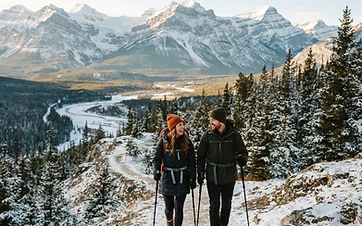
Crossing the Border This Winter? Why Your Provincial Health Plan Isn't Enough
Heading to the US for winter adventures or a sunny snowbird escape? Discover why relying on your provincial health plan could leave you facing massive medical bills.
Read more
 Outdoor & Adventure
Oct 16, 2026
Mind the Gap: Navigating Canada's Healthcare Wait Period Before Your Winter Adventures
Arriving in Canada this fall? Learn how to bridge the provincial healthcare waiting period so you can safely enjoy your first Canadian winter.
Read more
 Outdoor & Adventure
Oct 11, 2026
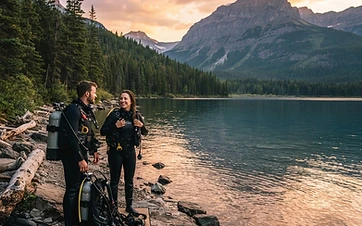
Deep Dive: The Hidden Hyperbaric Chamber Costs Every Scuba Diver Should Know
Whether you are braving Canada's crisp autumn waters or heading south for the winter, scuba diving carries unique risks. Discover the true cost of hyperbaric chamber treatments and how to ensure your next underwater adventure is fully protected.
Read moreWe're here — just not on hold
Buy anytime, supported always
No phone trees, no hold music, no pressure. Quote and buy a policy online in minutes — anytime, day or night. Got a question about coverage, eligibility, or claims? Our assistant knows the policies inside out and answers in English and French, instantly.
Ready to get covered?
Get an instant quote online in minutes — no paperwork, no pressure. Coverage starts the moment you need it.
Get a QuotePrefer to chat first? Our assistant is one tap away, bottom-right.