As the crisp October air rolls into British Columbia and the golden leaves begin to fall, many of us in Whistler are busy waxing our boards and reviewing our backcountry skiing safety gear. But fall isn't just about winter prep—it's also the ultimate planning season. Whether you are an IEC working holiday maker mapping out next summer's bucket list, an international student dreaming of a post-exam getaway, or a Canadian planning a future out-of-province road trip, adventure is always on the horizon.
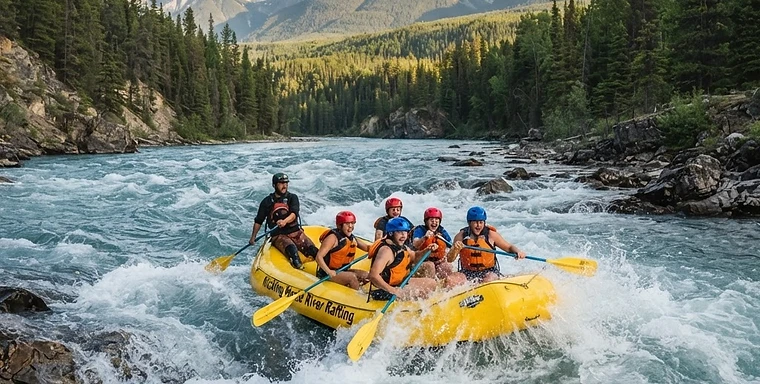
If white-water rafting is on your radar, Canada offers some of the most spectacular, heart-pounding river experiences in the world. Legendary routes like the Kicking Horse River in BC and the remote Tatshenshini River in the north are globally renowned. However, before you book that extreme rafting package, understanding river classifications is crucial for both your safety and your travel insurance coverage.
The Legendary Kicking Horse and Tatshenshini Rivers
Originating from the Wapta Icefield in the Canadian Rockies, the Kicking Horse River is a designated Canadian Heritage River. It earned its rowdy name in 1858 when a packhorse kicked a Scottish explorer in the chest during an expedition. Today, it is famous for its powerful flow, stunning canyon scenery, and a diverse range of rapids that cater to everyone from nervous beginners to seasoned adrenaline seekers.
Further north, the Tatshenshini River offers a completely different, yet equally awe-inspiring experience. Flowing through British Columbia, the Yukon, and Alaska, this remote, glacier-fed river takes rafters past massive icebergs and untouched wilderness.
Both rivers offer incredible experiences, but they also command deep respect. The water is freezing cold year-round, and the currents are immensely powerful.
Understanding the International Scale of River Difficulty
To keep rafters safe, rivers are graded using the International Scale of River Difficulty, which ranges from Class I to Class VI. It is important to note that grading can fluctuate based on water levels, recent rainfall, and seasonal glacial melt.
Here is a quick breakdown of what these classifications mean:
- Class I (Easy): Gentle, moving water with very small waves. It requires little to no maneuvering and is perfect for a relaxing, scenic family float.
- Class II (Novice): Regular, easy-to-see waves that might reach a few feet in height. You will likely get splashed, and some simple maneuvering is required to avoid rocks or river bends.
- Class III (Intermediate): This is where you will definitely get wet! Expect a continuous series of larger waves, small drops, and hydraulics (holes). It requires experienced guides to navigate safely.
- Class IV (Advanced): Intense, powerful, and erratic waves. This class features large, unavoidable obstructions and requires precise, technical maneuvering in fast water. The Lower Canyon of the Kicking Horse River is famous for its thrilling Class IV stretches.
- Class V (Expert): Extremely long, obstructed, or very violent rapids. Drops may contain large, unavoidable waves and holes with complex, demanding routes. There is a high risk of capsize and injury, and rescue is incredibly difficult.
- Class VI (Extreme/Exploratory): These runs are rarely attempted and often considered unnavigable. They exemplify the extremes of difficulty, unpredictability, and danger.
Why Travel Insurance Excludes Grade IV+ Rapids
When you are planning an adventurous trip, securing the right travel insurance is just as important as packing your quick-dry layers. Whether you are looking into visitors to Canada insurance or coverage for a trip abroad, you will notice that standard policies have specific boundaries when it comes to extreme sports.
Most comprehensive travel insurance policies will cover white-water rafting up to a certain difficulty level—typically Grade III or standard Grade IV. However, Grade IV+ (and anything higher, like Class V or VI) is almost universally excluded from coverage.
Why? It comes down to risk assessment and the logistics of emergency response.
Travel insurance is designed to protect you against unforeseen emergencies, but insurance providers must draw a line where an activity transitions from a "manageable risk" to an "extreme hazard."
In Grade IV+ and Class V rapids, the margin for error is virtually zero. The water is violent, the routes are highly technical, and the risk of a raft capsizing is significant. If an injury occurs in a Class V rapid, the remote location and turbulent water make immediate rescue operations incredibly dangerous, complex, and sometimes impossible for first responders. Because the likelihood of severe injury and the difficulty of medical evacuation are so high, these upper-tier rapids fall outside the scope of standard adventure coverage.
Tips for a Safe and Thrilling Rafting Trip
If you are dreaming of tackling the Kicking Horse or Tatshenshini next summer, here are a few tips to ensure your trip is memorable for all the right reasons:
- Be Honest About Your Experience: If it is your first time in a raft, don't jump straight into a Class IV trip. Start with a Class II or III run to get a feel for the water, the commands, and the equipment.
- Go with Certified Professionals: Always book with reputable, certified guiding companies. Local outfitters know the rivers intimately and monitor water levels daily to ensure conditions are safe.
- Dress for the Water, Not the Air: Even in the heat of July, glacier-fed rivers are freezing. Avoid cotton, which stays wet and cold. Wear the wetsuits, booties, and splash jackets provided by your outfitter.
- Read Your Policy Wording: Before you book the "extreme adrenaline" package, check your travel insurance policy. Ensure the rapid classification of your chosen tour aligns with your coverage limits. If the tour includes Grade IV+ or Class V sections, know that you will be participating at your own financial and physical risk.
As the snow begins to fall this October, take the time to dream up your next big adventure. By understanding river classifications and how they interact with your travel insurance, you can confidently plan a trip that delivers the perfect balance of thrills and peace of mind. Stay safe, and happy planning!