Canada Travel Insurance
Direct quotes. Clear answers. Best price.
We compare GMS, TuGo and Allianz for your exact trip, explain what's covered in plain English, and tell you which one we'd pick.

Our pick for your trip
One clear choice for each kind of travel.
We quoted the same trip with every insurer we work with. Here's who we'd choose, and why. Want to see every price? Use the full comparison.


The lowest price we found at every age. Need pre-existing conditions covered? GMS is the better pick.
$87.90age 25, 30 days, $100,000
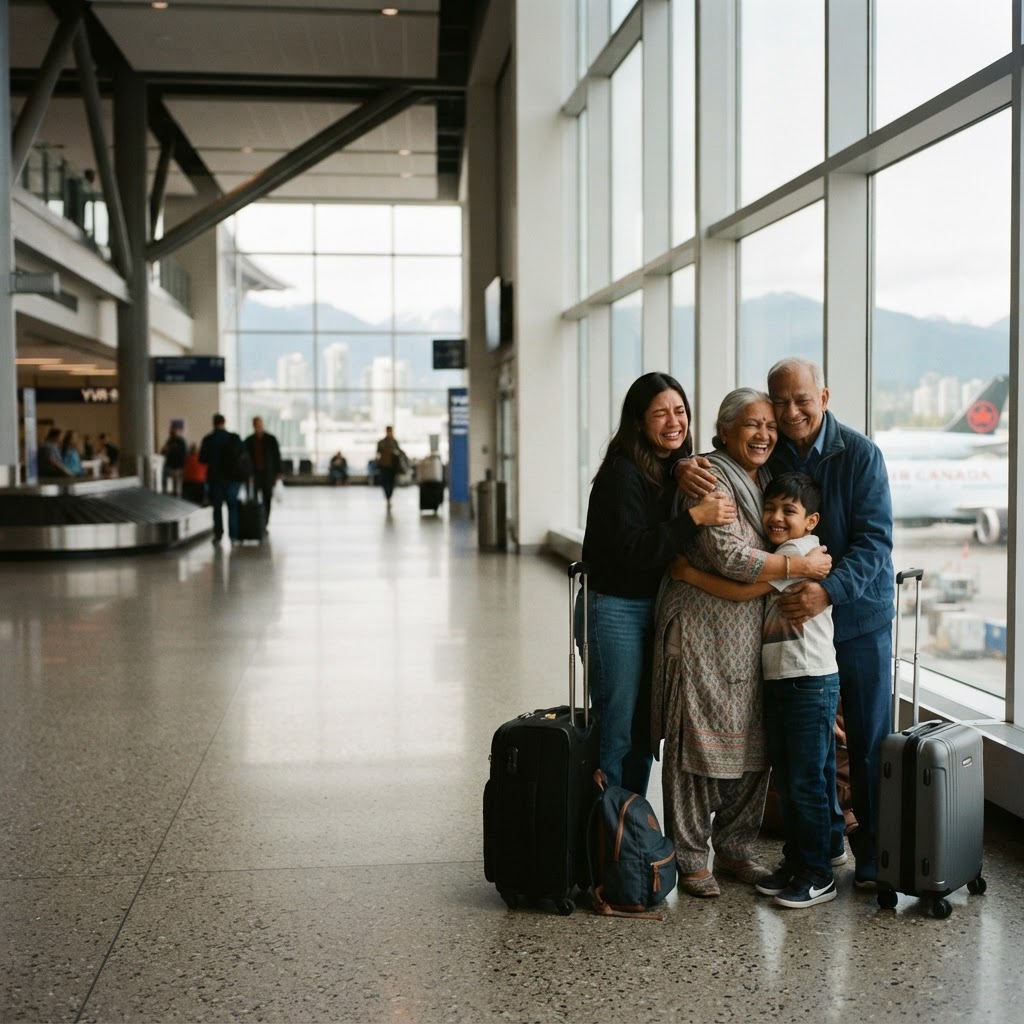
The lowest price we found at 65 and 75. At 55, GMS was lower. Medical history? Choose a plan with pre-existing cover.
$2,149.85age 65, 1 year, $100,000
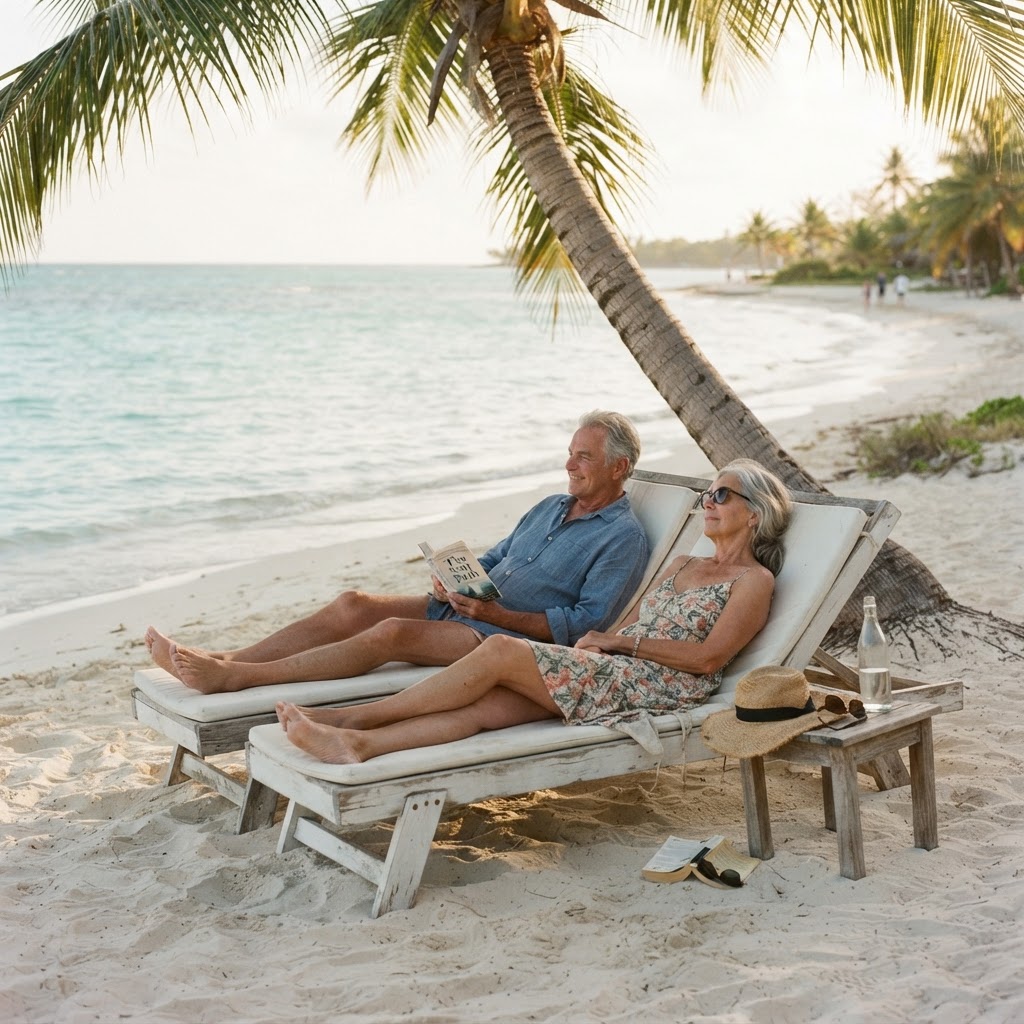

The lowest price we found at 55, 65 and 75, with stable pre-existing conditions covered at 180 days.
$918age 65, 120 days in the US

The lowest price we found at ages 25, 45 and 65. Doing adventure sports? TuGo is the only one with a sports add-on.
$95.70age 45, 30 days in the US


The lowest price we found, with $5 million of emergency medical.
$894age 20, 12 months in BC

The lowest price we found, built for Canadian students and exchanges, with counselling and dental.
$855.36age 20, 8 months in the UK
Sample prices for one healthy traveller from each insurer's own quote page, November 2026. Your price depends on your age, trip and options.
Compare every price →- 1
Compare insurers side by side
Real prices from Canada's leading insurers for your exact trip.
- 2
Get your custom quote
Choose your coverage and see your price in minutes, with no obligation.
- 3
Buy online, or ask us first
Secure checkout on the insurer's site, or get answers from our licensed team at travel@oceansun.ca.
- 4
Instant confirmation by email
Your policy and a digital wallet card arrive in minutes, ready on your phone.
- 5
Changed your mind? Get a refund
Cancel before your coverage starts and get your money back.
- 6
Extend or top up anytime
Staying longer or need more coverage? Extend online or by phone before your policy ends.
Travel insurance explained
What to know before you buy travel insurance
Most people buy travel insurance without knowing what it covers. Here's what matters, in plain language. Pick a topic below, or go straight to a price.
Am I eligible for travel insurance?
Visiting Canada, working here, studying or waiting for provincial health coverage? You can usually get covered. Each policy sets its own rules, but these are the usual ones.
Visitors to Canada
- You're a visitor, foreign worker, international student, or a new immigrant waiting for provincial health coverage
- You don't already know of a reason you'll need medical care while you're here
- You're not travelling against a doctor's advice
Canadians travelling abroad
- You're covered by a provincial or territorial health plan, and keep it while you're away
- You're not travelling to get treatment, or against a doctor's advice
- Older travellers may answer a few health questions, and some plans have age limits
What does travel insurance cover?
Emergency medical travel insurance pays for sudden, unexpected illness or injury while you're away. It isn't a health plan for routine care.
Usually covered
- Hospital stays, doctors and surgeons
- Ambulance, and air ambulance to the right hospital
- X-rays, scans and lab tests
- Prescription drugs for the emergency
- Emergency dental care after an accident
- Getting you home for treatment, and bringing family to your bedside
- Follow-up visits for the same emergency
Usually not covered
- Routine check-ups and ongoing treatment
- Care you knew you'd need before you left
- Pre-existing conditions that weren't stable long enough
- Pregnancy close to the due date
- Injuries while impaired by alcohol or drugs
- High-risk sports, unless you add cover for them
Most plans cover a condition you already have if it's been stable, with no new symptoms, treatment or medication changes, for a set time before you leave. That time differs by plan and age.
Many workplace, retiree and credit card plans stop after a set number of days. A top-up plan covers the rest of your trip. How top-up works
How much does a hospital visit cost in Canada?
Canadian health care isn't free for visitors. These are British Columbia's published rates for people without provincial health coverage.
Three days in intensive care, in hospital fees alone. Doctors, surgeons, scans and lab tests are billed on top.
Sources: Vancouver Coastal Health non-resident rates, effective November 1, 2025 (rate list); BC Cancer rate schedule 2025–26 (ward); BC Emergency Health Services fees for people without BC coverage (ambulance). Rates vary by province and hospital.
What adventure and high-risk sports can I add?
Many travel insurance plans exclude high-risk activities. TuGo's optional Sports and Activities add-on covers the ones below, so you can ski, climb, dive or race and still be covered for emergency medical care.
Available with TuGo only
Age 21 and over and playing in a registered team or league? Football, ice hockey and rugby also need the add-on. Choose each activity when you buy, and you pay only for the highest-priced one.
What is trip cancellation and interruption insurance?
Medical insurance protects your health. Trip cancellation and interruption insurance protects the money you've paid for your trip.
Trip cancellation
Pays back your prepaid, non-refundable trip costs if you have to cancel before you leave for a covered reason, such as illness, injury, a death in the family or a travel advisory.
Trip interruption
If a covered reason cuts your trip short or delays your return, it pays for the unused part of your trip and the extra cost of getting home.
Some benefits only apply if you buy within a few days of your first trip payment.
I have coverage through work or my credit card. Is that enough?
Often not for longer trips. Many workplace, retiree and credit card plans cover only a set number of days, stop at a certain age, or leave out pre-existing conditions. A top-up plan can start the day your other coverage ends, so you're covered for the whole trip.
How do I make a travel insurance claim?
Call your insurer's emergency line before you get treatment, whenever you can. It's the single most important step.
Call first
Use the 24/7 emergency number on your wallet card. The insurer can direct you to a hospital and often pays it directly.
Keep everything
Save every receipt, medical report and bill, and ask for itemized copies.
Send your claim
Submit your claim form and documents to the insurer as soon as you can after you get home.

Still have questions? Ask us anything, 24/7
Our assistant is trained on the full policy wordings of the insurers we recommend, so you get straight answers on what's covered, pre-existing conditions, Super Visa rules, adventure sports and claims, any time of day.