As the crisp September air settles over Canada and the autumn leaves begin to turn, winter enthusiasts are already dreaming of fresh powder and frozen landscapes. Whether you are an international student gearing up for your first real winter, an IEC working holiday maker ready to hit the slopes, or a Canadian exploring a neighboring province, planning your winter getaway now is the secret to a seamless trip.
Canada transforms into a breathtaking winter wonderland from December through March (and often well into April). But with extreme beauty comes extreme weather. Here is your comprehensive guide to making the most of a Canadian winter, understanding the unique risks, and ensuring you have the right coverage for peace of mind.
The Ultimate Canadian Winter Activities
Canada offers a diverse range of winter activities that cater to both adrenaline junkies and those seeking a cozy retreat.
Hitting the Slopes
From the world-renowned peaks of Whistler, BC, to the stunning vistas of Banff and Lake Louise in the Canadian Rockies, downhill skiing and snowboarding are quintessential Canadian experiences. For those looking to escape the crowds and find untouched powder, backcountry skiing offers an unforgettable adventure. Just remember that heading out of bounds requires proper avalanche safety training and gear.
Dog Sledding and Snowshoeing
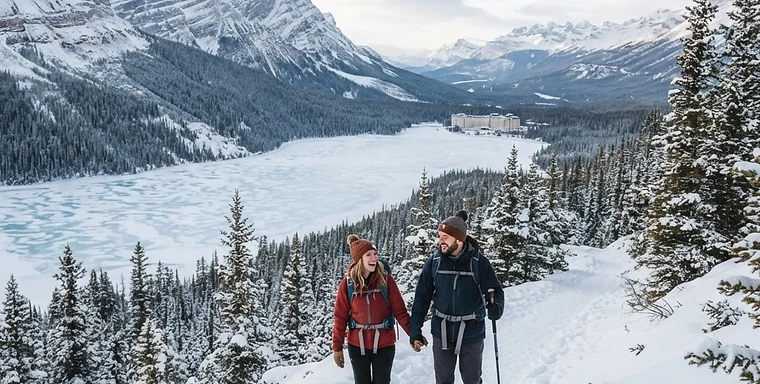
If you want to experience the wilderness at a different pace, dog sledding is a magical way to glide through snow-shrouded forests. Alternatively, snowshoeing is an accessible and fantastic workout that allows you to explore tranquil, snow-covered trails in provincial and national parks.
Chasing the Northern Lights
Heading to the Yukon, Northwest Territories, or even northern parts of Alberta and Manitoba offers the chance to witness the Aurora Borealis. Standing under a sky dancing with vibrant greens and purples is a bucket-list experience that makes braving the sub-zero temperatures entirely worth it.
Understanding the Risks of Winter Travel
While winter in Canada is spectacular, it is not without its challenges. The elements demand respect, and preparation is your best defense against the unexpected.
Extreme Cold and Weather Delays
Temperatures in many parts of Canada can easily plunge below -20°C (-4°F). Frostbite and hypothermia are real risks if you aren't dressed appropriately. Furthermore, heavy snowfalls and winter storms frequently cause flight cancellations, road closures, and travel delays.
Slips, Trips, and Sports Injuries
Icy sidewalks are a common hazard in Canadian cities, leading to unexpected slips and falls. For the more adventurous, winter sports inherently carry a higher risk of injury. A twisted knee on the ski hill or a tumble while ice skating can quickly turn a dream vacation into a stressful medical emergency.
The Coverage That Matters
When you are visiting Canada, your home country's health care plan will not cover you, and medical costs here can be incredibly high for non-residents. Even if you are a Canadian travelling outside your home province, your provincial health plan may only cover a fraction of emergency medical expenses.
This is where securing the right travel insurance becomes just as important as packing your thermal underwear.
Emergency Medical Coverage
If you are arriving from abroad, securing visitors to Canada insurance is a crucial step in your trip preparation. It helps protect you from out-of-pocket expenses for hospital stays, physician services, and emergency transportation if you fall ill or get injured. For IEC participants, having valid insurance for the duration of your stay is actually a mandatory requirement for entry.
Sports and Activities Coverage
Standard travel insurance policies often cover basic sightseeing and low-risk activities. However, if your itinerary includes high-adrenaline pursuits, you need to ensure your policy matches your sense of adventure. Activities like backcountry skiing, ice climbing, or high-risk snowmobiling often require specialized sports coverage. Always review your policy details to ensure your specific activities are covered before you strap on your boots.
Trip Interruption and Delay
Given the unpredictability of winter weather, coverage for trip interruption or travel delays can save you from significant financial loss. If a blizzard grounds your flight or forces you to spend an extra night in a hotel, this coverage can help reimburse those unexpected, illustrative costs.
Preparation Tips for a Seamless Winter Trip
Planning ahead in September gives you plenty of time to get organized. Here are a few tips to ensure you are ready when the snow flies:
- Layer Up: The secret to surviving Canadian winters is layering. Invest in a high-quality moisture-wicking base layer, an insulating mid-layer (like fleece or down), and a windproof, waterproof outer shell.
- Protect Your Extremities: A warm toque (beanie), insulated waterproof gloves, and a thick scarf or neck gaiter are non-negotiable.
- Footwear is Key: Leave the sneakers at home. You need insulated, waterproof winter boots with excellent traction to navigate icy streets and deep snow.
- Book Early: Popular winter destinations like Whistler and Banff book up months in advance. Securing your accommodations, lift tickets, and travel insurance in the fall ensures you get the best options and rates.
Canada in winter is a place of unparalleled beauty and thrilling adventures. By respecting the climate, preparing your gear, and ensuring you have the right coverage in place, you can embrace the chill with absolute confidence. Stay warm, stay safe, and get ready for the winter trip of a lifetime!