October has arrived, and here in Whistler, BC, there is a familiar crispness in the air. The leaves are falling, the mornings are frosty, and the highest mountain peaks are already getting their first dusting of snow. For international students, IEC working holiday makers, and visitors spending their winter in Canada, this seasonal shift means one very exciting thing: ski season is just around the corner.
Canada is world-renowned for its winter sports, offering some of the most breathtaking alpine landscapes on the planet. While many visitors stick to the groomed runs of popular resorts, a growing number of adventurous souls are drawn to the untouched powder of the backcountry. But before you start waxing your skis and planning your alpine touring adventures, there is a crucial piece of preparation you need to tackle this fall: understanding your travel insurance.
The Allure of the Canadian Backcountry
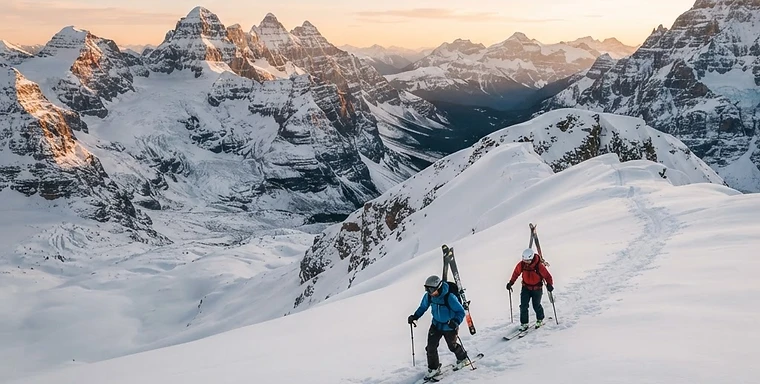
Backcountry skiing, also known as ski touring or alpine touring, involves skiing on unmarked, unpatrolled, and ungroomed terrain outside of recognized ski resort boundaries. Instead of taking a chairlift, skiers use specialized bindings and "skins" on the bottom of their skis to hike up the mountain before skiing down through pristine, untouched snow.
Destinations like Rogers Pass in Glacier National Park are globally recognized as unrivalled ski touring and ski mountaineering destinations, offering steep, complex, and serious terrain Backcountry ski touring and ski mountaineering - Parks Canada. The appeal is undeniable: no lift lines, incredible scenery, and the thrill of earning your turns. However, leaving the resort boundaries means leaving behind the safety net of ski patrols, avalanche control, and immediate medical assistance.
Why Standard Travel Insurance Says "No"
If you are studying abroad or visiting Canada for the winter, you likely already know that having emergency medical insurance is essential. However, standard travel insurance policies are designed to cover typical, low-risk travel activities.
When you venture out of bounds, the risk profile changes dramatically. Insurers classify backcountry skiing as an extreme sport because it carries a significantly higher risk of injury and requires complex, expensive rescue operations Ski Travel Insurance: Complete Guide to Coverage for Skiers.
Here is why standard policies typically exclude backcountry adventures:
- Avalanche Risk: Backcountry terrain is wild and uncontrolled. Unlike resorts where ski patrols use explosives to mitigate avalanche danger, the backcountry requires skiers to navigate natural, unpredictable hazards.
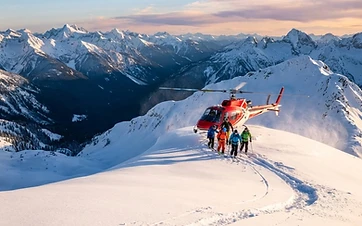
- Remote Rescues: If you injure yourself on a groomed resort run, the ski patrol can easily toboggan you to the base. If you break a leg in the remote backcountry, you may require a specialized helicopter extraction. To give you an illustrative idea of the financial risk, a helicopter rescue in the Canadian wilderness can easily cost tens of thousands of dollars Ski Travel Insurance: Complete Guide to Coverage for Skiers.
- Complex Terrain: Navigating glaciers, crevasses, and tree wells requires advanced skills and carries inherent dangers that standard travel insurance simply isn't priced to cover.
Bridging the Gap: Getting the Right Coverage
Finding out that your standard policy doesn't cover your favorite winter activity can be frustrating, but it doesn't mean you can't get covered. It simply means you need to tailor your insurance to match your itinerary.
For those studying in Canada, exploring specialized student plans is a great starting point. From there, you will need to look into optional add-ons specifically designed for extreme sports. By adding dedicated backcountry skiing coverage to your policy, you ensure that if the unexpected happens in the wilderness, you aren't left facing catastrophic medical and rescue bills.
When reviewing your options, always read the policy wording carefully. Some policies may require you to ski with a certified guide, while others might have specific elevation limits or require you to stay out of areas officially closed by local authorities.
Fall Preparation: Safety First
Insurance is your financial safety net, but your physical safety relies entirely on your preparation, knowledge, and decision-making. October is the perfect time to get your safety fundamentals in place before the deep snow arrives.
- Take an Avalanche Skills Training (AST) Course: If you plan to step foot in the backcountry, an AST course is non-negotiable. These courses teach you how to identify avalanche terrain, understand snowpack conditions, and perform companion rescues Backcountry ski touring and ski mountaineering - Parks Canada.
- Invest in the Right Gear: Never leave the trailhead without an avalanche transceiver (beacon), a probe, and a metal shovel. More importantly, practice using them regularly.
- Check the Forecasts: Make it a habit to check the local public avalanche forecasts and weather reports before every trip. The Canadian Rockies, for example, often have a cold, dry snowpack in early winter that can be very weak and unstable Backcountry ski touring and ski mountaineering - Parks Canada.
- Hire a Guide: If you are new to Canada's mountains, hiring an Association of Canadian Mountain Guides (ACMG) certified guide is one of the best investments you can make. They know the terrain, understand the local snowpack, and can show you the best secret powder stashes safely.
Embrace the Winter Safely
Canada's backcountry offers some of the most rewarding and exhilarating skiing and snowboarding experiences in the world. As you spend this fall prepping your gear and planning your winter adventures, take the time to ensure your travel insurance matches your ambition.
By securing the right coverage and investing in your avalanche safety education, you can head into the mountains with peace of mind, ready to enjoy every single fresh track.