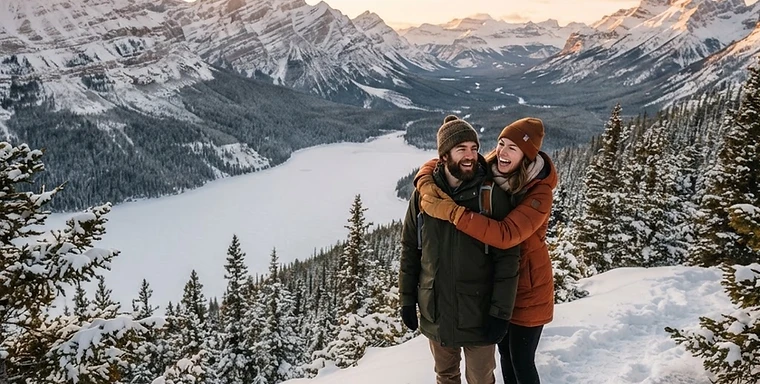
Welcome to the Great White North! If you are an international student, an IEC working holiday maker, or an adventure seeker visiting Canada this winter, you are in for an unforgettable experience. Here in Whistler, BC, we know firsthand that when the temperature drops, Canada transforms into a world-class playground. From the snow-draped peaks of the Rocky Mountains to the frozen lakes of the eastern provinces, the winter landscape is nothing short of magical.
However, as beautiful as our winters are, they also demand respect and preparation. Whether you are planning to carve up the slopes, explore quiet snowshoe trails, or simply enjoy a snowy city break, understanding the environment is key. Let us dive into the best winter activities, the unique risks of the season, and how to ensure you are protected so you can focus on making memories.
Top Winter Activities in Canada
Canada offers an incredible variety of winter activities suited for every thrill level. Here are a few favorites to add to your itinerary:
- Downhill Skiing and Snowboarding: It is no secret that Canada is a premier destination for winter sports. Resorts across British Columbia, Alberta, and Quebec offer world-class facilities, groomed runs, and breathtaking alpine views.
- Snowshoeing and Cross-Country Skiing: For a more serene experience, strap on some snowshoes or cross-country skis. It is a fantastic way to explore Canada’s vast network of provincial and national parks at your own pace, taking in the quiet beauty of snow-shrouded forests.
- Dog Sledding: Experience a traditional mode of northern transport by mushing a team of energetic sled dogs across the snowy tundra or through winding forest trails.
- Chasing the Northern Lights: Head to higher latitudes in the Yukon, Northwest Territories, or even northern parts of the western provinces to witness the awe-inspiring Aurora Borealis dancing across the night sky.
Understanding the Risks of Winter Adventures
While the crisp winter air and fresh powder are exhilarating, the Canadian wilderness can be unforgiving. Winter weather can change rapidly, bringing extreme cold, heavy snowfall, and reduced visibility.
For outdoor adventurers, the physical risks are also elevated. Slips on icy surfaces, exposure to freezing temperatures, and sports-related injuries are common. If you are heading into the mountains, avalanches are a serious and very real hazard, particularly in backcountry areas. Even a simple day trip can become complicated if you encounter icy roads or sudden road closures due to winter storms.
Being aware of these risks is not about dampening your adventurous spirit; it is about empowering you to make smart, safe choices while exploring our beautiful country.
The Coverage That Matters
When you are visiting Canada, whether on a short vacation or a year-long IEC working holiday, your home country’s healthcare plan will not cover you here. Even if you are young, healthy, and an experienced athlete, accidents happen—and medical care in Canada can be incredibly expensive for non-residents.
To give you an idea, emergency room visits in Canada can easily exceed CAD $1,000 just to be seen, and inpatient hospital care can cost over CAD $4,000 per day. Without the right coverage, a simple tumble on the ski hill could leave you with a massive out-of-pocket bill.
This is where having robust travel insurance, like the plans powered by TuGo, becomes your most valuable piece of winter gear. A solid emergency medical plan will help cover unexpected hospital visits, ambulance services, and emergency evacuations, protecting your travel budget from unforeseen disasters.
However, it is crucial to understand that standard travel insurance policies often exclude high-risk activities. If your winter itinerary includes venturing off the groomed resort trails, you will need to add optional sports and activities coverage. For instance, securing proper backcountry skiing insurance is essential if you plan to explore unmarked terrain. Similarly, if you are taking to the skies in search of untouched powder, having dedicated heli-skiing insurance ensures you are fully protected against the unique risks of extreme alpine sports. Always read the fine print to ensure your specific activities are covered.
Tips for a Safe Winter Trip
To help you make the most of your Canadian winter adventure, keep these essential safety tips in mind:
- Dress in Layers: The key to staying warm is layering. Start with a moisture-wicking base layer, add an insulating middle layer (like fleece or down), and finish with a waterproof and windproof outer shell. Do not forget a warm toque (hat), insulated gloves, and high-quality winter boots.
- Check the Forecasts: Weather can turn quickly. Always check local weather forecasts and, if you are heading into the mountains, consult the daily avalanche bulletins provided by Avalanche Canada.
- Be Adventure Smart: Never venture into the backcountry alone. Always leave a trip plan with a friend or family member, detailing where you are going and when you expect to return. Carry essential safety gear, including an avalanche transceiver, probe, and shovel if you are leaving the resort boundaries.
- Drive with Caution: Winter driving in Canada requires extra care. Rent a vehicle equipped with proper winter tires (which are mandatory on many highways in BC and Quebec), keep a safe distance from snowplows, and always carry an emergency roadside kit with blankets, food, and a flashlight.
Embrace the Winter Wonderland
Visiting Canada in the winter is a bucket-list experience that offers endless opportunities for adventure, beauty, and fun. By respecting the environment, preparing for the conditions, and securing the right travel insurance, you can step out into the snow with absolute confidence.
Stay warm, be safe, and enjoy every moment of your Canadian winter journey!