With September bringing a crisp chill to the air across Canada, the changing leaves are a beautiful reminder that winter is just around the corner. For many Canadians, fall isn't just about cozy sweaters and pumpkin spice; it is the season of preparation. October and November mark the traditional departure window for snowbirds migrating south to escape the freezing temperatures.
Whether you are drawn to the humid, ocean-breeze climate of Florida or the dry, restorative desert air of Arizona, spending your winter in a warmer climate is a fantastic way to prioritize your physical and mental wellness. However, a truly restorative winter getaway requires peace of mind. If you are planning to pack up the car and drive south this year, here is how to prepare your vehicle, protect your health, and ensure a smooth journey.
The Wellness Benefits of Wintering Down South
Escaping the harsh Canadian winter is more than just a luxury; for many, it is a vital part of their wellness routine. Warmer temperatures and abundant sunshine encourage an active, outdoor lifestyle that can be difficult to maintain when the sidewalks back home are covered in ice.
Spending your days walking on the beach, golfing, or hiking in the desert helps maintain cardiovascular health and mobility. Furthermore, the natural vitamin D from the sun is a proven mood booster, helping to stave off the winter blues. To fully embrace this seasonal lifestyle, many Canadian snowbirds spend several weeks or months in destinations such as Florida, Arizona, Mexico, and the Caribbean.
Preparing for the Long Drive
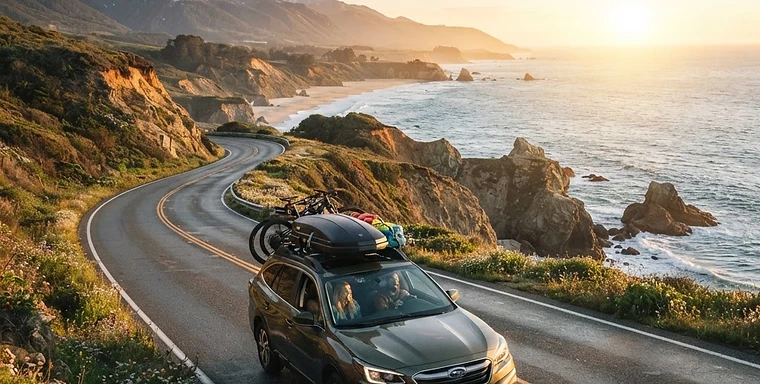
Driving to your winter destination is a popular choice. It allows you to travel at your own pace, pack more of your favorite comforts from home, and have your own vehicle available for exploring once you arrive. Many travelers from Ontario and eastern Canada take the famous "Snowbird Highway" (I-75) straight down to Florida, while those from western provinces often chart a course toward the warmth of Arizona or California.
Before you hit the road, vehicle preparation is essential:
- Get a full mechanical check-up: Have your mechanic check your brakes, tires, fluids, and battery. A breakdown on a busy interstate can quickly turn a relaxing trip into a stressful ordeal.
- Review your auto insurance and roadside assistance: Ensure your Canadian auto insurance extends to the US for the duration of your stay. Additionally, a robust roadside assistance plan is a must-have for long-haul drives, providing help for flat tires, dead batteries, or towing needs.
- Plan your route and rest stops: Driving fatigued is dangerous. Plan to stop every few hours to stretch your legs, hydrate, and rest. Breaking the trip up with overnight stays in interesting towns can turn the drive into an enjoyable part of your vacation.
Navigating Healthcare Across the Border
While the US offers world-class medical facilities, navigating its healthcare system can be daunting and incredibly expensive. It is a common misconception that your provincial health plan will cover you while you are away. In reality, Canadian provincial health plans provide very limited coverage outside of the country and will not come close to covering the full cost of a medical emergency abroad.
Healthcare costs in the United States can be extremely high. A simple visit to the emergency room or a short hospital stay can potentially cost thousands of dollars, leaving uninsured travelers with devastating out-of-pocket expenses.
This is why securing proper snowbird coverage is a non-negotiable part of your fall travel prep. A comprehensive travel medical insurance policy ensures that if you experience an unexpected illness or injury, you can focus on your recovery rather than worrying about the financial impact.
Choosing the Right Travel Insurance
When looking for the right coverage, it is important to find a plan tailored to the unique needs of long-term travelers. Here are a few things to keep in mind as you evaluate your options:
- Pre-existing medical conditions: Many seniors and snowbirds manage chronic health conditions. Look for a policy that offers coverage for pre-existing conditions, provided they meet the stability requirements outlined in the policy.
- Trip interruption and cancellation: Sometimes, life throws a curveball before you even leave the driveway, or an emergency back home requires you to cut your winter stay short. Trip protection can help recover non-refundable costs.
- Adequate coverage limits: Ensure your policy has high emergency medical limits to account for the steep cost of US healthcare, including hospital stays, diagnostic tests, and, if necessary, medical evacuation back to Canada.
For Canadians leaving Canada for an extended period, buying insurance before departure is crucial to avoid any gaps in coverage. Take the time in September or October to compare your options, ask questions, and understand exactly what your policy covers.
Embrace the Journey
Driving south for the winter is a wonderful tradition that allows you to trade snow shovels for sunshine. By taking the time this fall to prepare your vehicle, plan your route, and secure the right travel insurance, you are setting the foundation for a safe, healthy, and deeply relaxing winter season. Safe travels, and enjoy the warmth!